
Five Grains. One Farm. Five Very Different Possibilities.
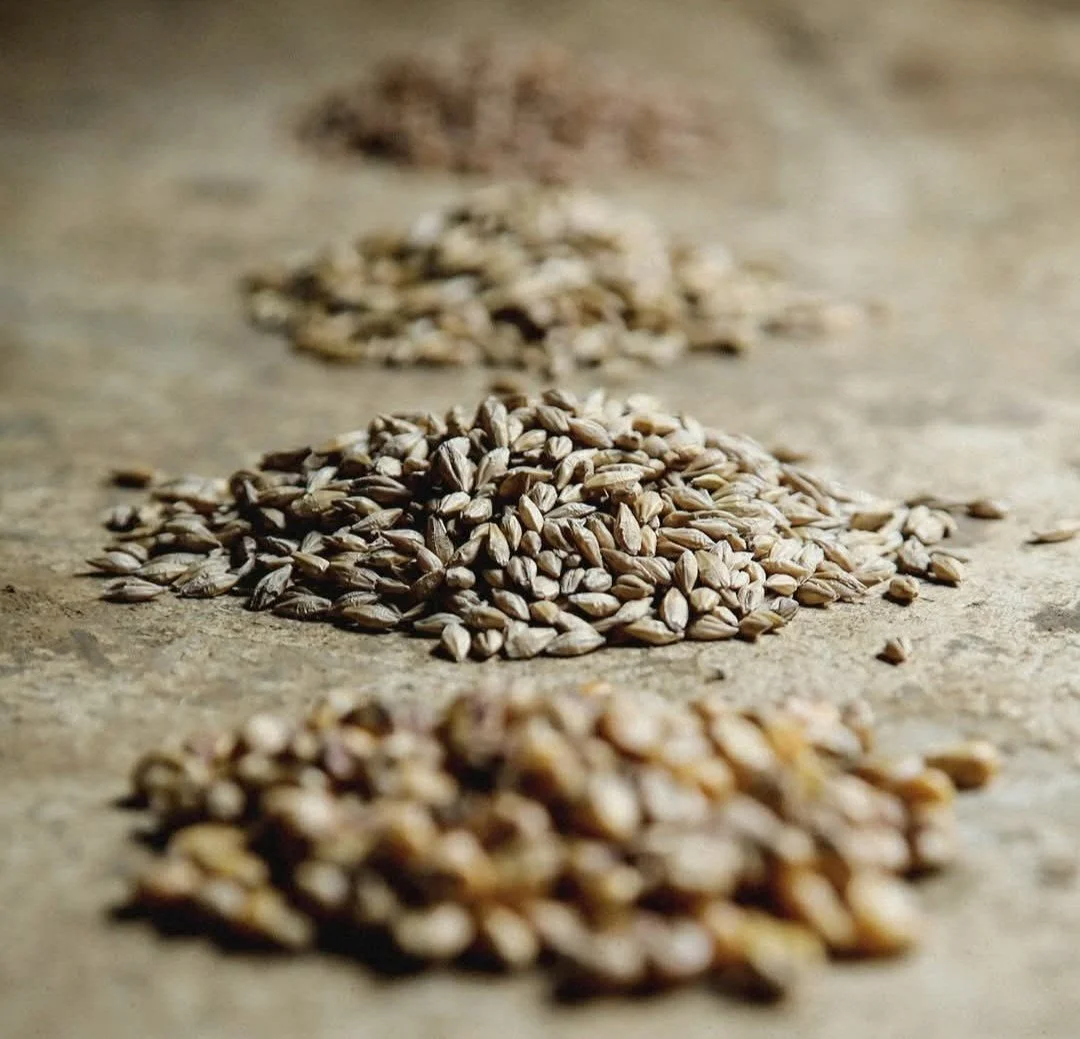
Five grains. Five different possibilities.
To most people, they're simply crops.
To us, they're the beginning of something much bigger.
Barley, oats, wheat, maize and triticale. Five grains we've grown here on Auld Farm, each with its own character and each offering us a different direction to explore in whisky making.
We know these grains as farmers. Now we're getting to know them as distillers.
When most people think about whisky, they think about barley.
And fair enough. Barley has been the backbone of whisky making for centuries.
But here at Auld Farm, we've never been particularly good at stopping at just one idea.
By 2017, we were already working with five different grains, asking ourselves a rather simple question.
Why stop at barley?
Barley — the traditionalist
Barley is where most whisky conversations begin.
It's the grain behind single malt whisky and has a long history in distilling.
For us, the interesting part is knowing exactly where that barley has come from. Not just the country or region, but the actual paddock it grew in, the season it experienced and the harvest that brought it into the silo.
Oats — the quiet achiever
Oats are a familiar sight in Southland paddocks, but they're far less familiar in the world of whisky.
That's part of what makes them so interesting to us.
We're curious about the softer, creamier character oats might bring to a spirit and what happens when we give that spirit time in oak.
It's another opportunity to take something we know well as farmers and explore it in an entirely different way.
Wheat — more than bread and biscuits
Wheat might be one of the most familiar grains in the world, but it has its own place in whisky making.
Its generally softer character offers another direction to explore, particularly when we're interested in letting the grain speak for itself.
And because we're growing it ourselves, we can follow its journey from the paddock right through to the still.
Maize — a different direction altogether
Maize opens up another side of whisky making.
It's the grain most people associate with bourbon, although bourbon is about more than simply using maize.
For us, maize is another opportunity to explore what a different grain can bring to the whisky we make here on the farm.
Different crop. Different challenges. Different possibilities.
Triticale — the curious one
Triticale is a cross between wheat and rye.
It's not a grain most people immediately associate with whisky, which probably makes it even more interesting to us.
As farmers, we know there's far more to grain than what ends up in a loaf of bread or a bag of stock feed.
And as distillers, we're curious about what those differences might mean in a glass.
One farm. Five different journeys.
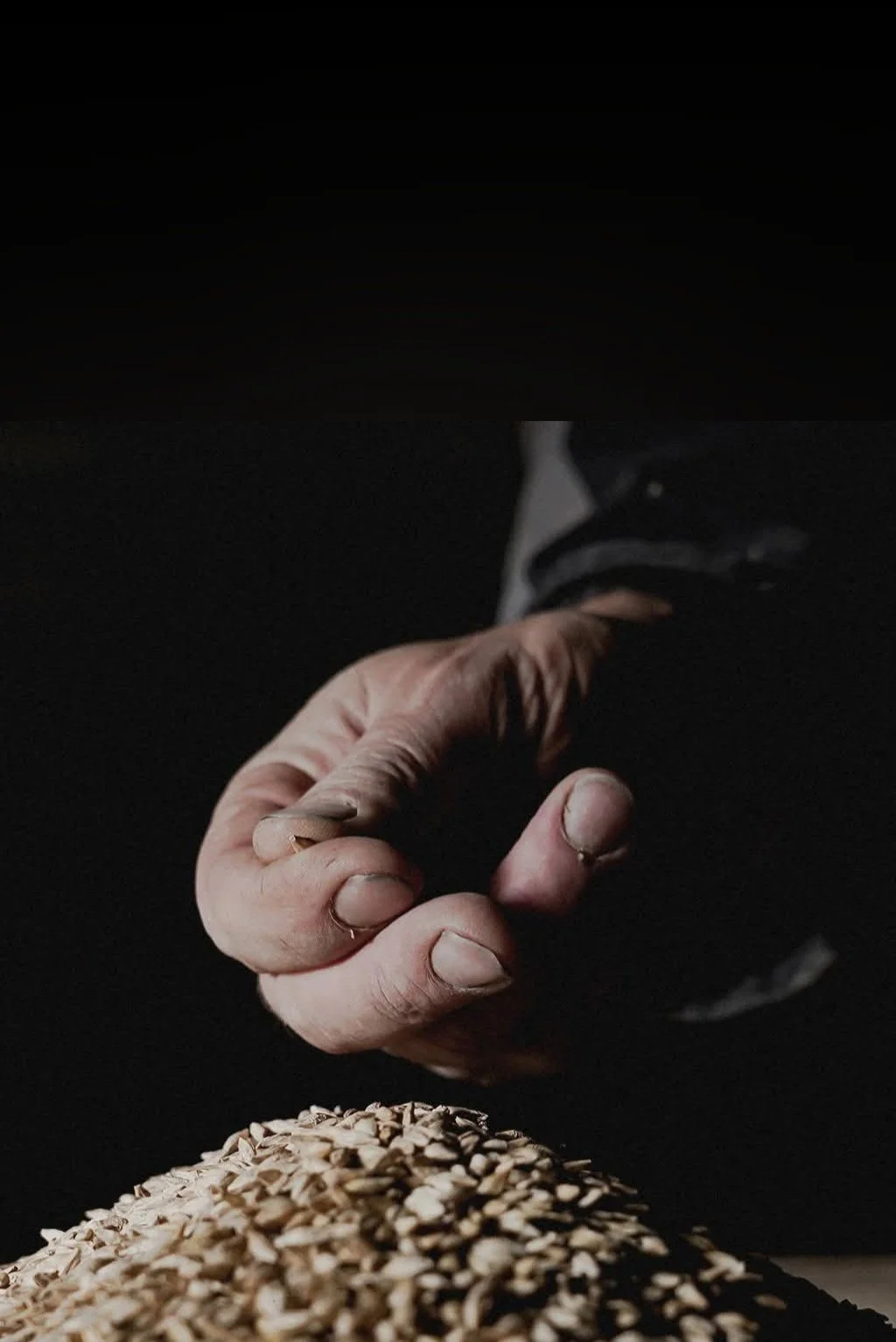
The fascinating thing about growing and distilling these five grains is that they all begin in the same place.
Our farm at Scotts Gap.
They experience the Southland seasons, grow in our paddocks and are harvested by us.
From there, each grain takes its own journey through the distillery.
We're not trying to make five whiskies that taste the same.
Quite the opposite.
We want to understand what makes each grain different and how those differences might reveal themselves after years of maturation.
It's going to take time.
That's the frustrating and wonderful thing about whisky. You can grow a crop in a season, but discovering what it becomes after years in oak requires a rather different sort of patience.
For now, there are five grains, plenty of questions and casks quietly maturing here on the farm.
And we can't wait to share what we discover.
From our paddocks to our stills. From seed to sip.